Sri Ramana MaharshiSacred life
Chapter 8 of 10
Skandashram

A devotee, Kandaswami, was anxious to build a new Ashram for Sri Bhagavan. Inspecting the various places on the Hill and the forest, he selected a site of which Sri Bhagavan approved. Kandaswami then converted what was a thick forest of prickly pear on the Hill slope into a lovely hermitage filled with mango trees and coconut trees. In appreciation of Kandaswami’s labours who had built this unaided by anyone else, Sri Bhagavan named the Ashram after him — “SKANDASHRAM”. Thus Kanda, which is the Tamil name for Lord Skanda, was immortalised. It is approximately at the Centre of the Hill on its south-eastern slopes and is surrounded by a thicker and greener cluster of trees. It has a magnificent view of Sri Arunachaleswara Temple and is to this day filled with an atmosphere of palpable Peace.
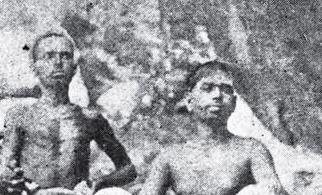
Lauding Kandaswami’s effort, Sri Bhagavan had this to say: “You cannot imagine the state the site was in originally. Kandaswami worked with almost superhuman effort, achieving by his own hands what even four people together could not have done. He removed all the prickly pear, reduced stone and boulder to level-ground, created a garden and raised the Ashram. He got four coconut trees for planting. To plant them properly Kandaswami dug huge square pits about ten feet deep. That will give you an idea of the amount of labour he put into the work he took in hand.”
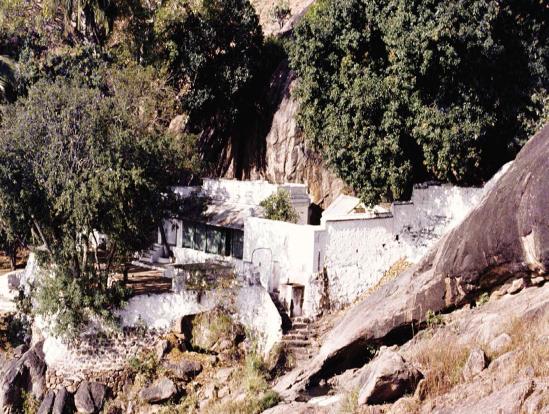
Sri Bhagavan stayed at ‘Skandashram’ from 1916 to 1922, and it was during this period that many of His close devotees came to Him, remaining with Him till their end. These include his younger brother Niranjanananda Swami, Kunju Swami, Ramaswami Pillai, Sadhu Natanananda and others.
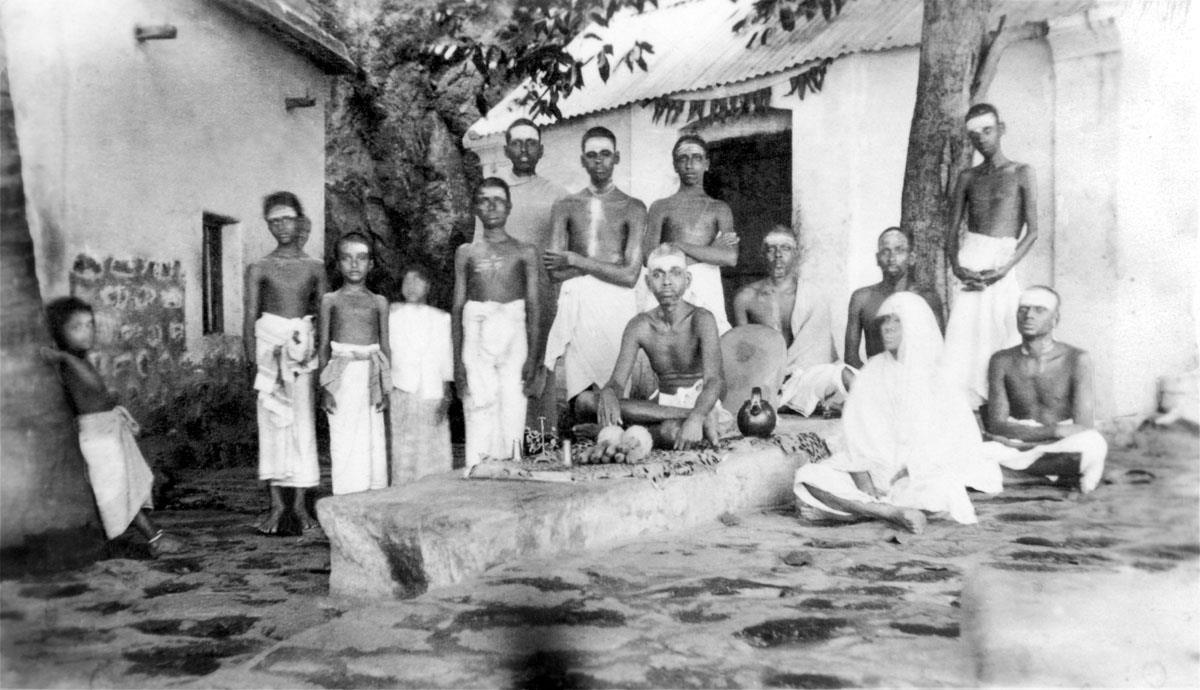
Those who climbed the Hill and came to the Maharshi’s Abode were refreshed by the shady oasis on the rocky slopes and also by the darshan of Sri Bhagavan, which soothed and cleansed them like a cool, clear and gushing mountain stream.
But it was not only those who climbed up to ‘Skandashram’ who could soak in His Grace: An old woman named Saubhagyathammal who lived at the foot of the Hill used to come to Skandashram every day for Sri Bhagavan’s darshan. She would go back down and eat only after seeing Sri Bhagavan. On one occasion when she did not come, Sri Bhagavan asked for the reason the next day. She replied that she had Sri Bhagavan’s darshan when He sat on a rock, cleaning His teeth in the morning and being old and feeble, she would henceforth have His darshan in this manner. From that time onwards, Sri Bhagavan made it a practice to sit on that rock every morning, for about half an hour daily. Even in the winter or during the rainy season, He refused to discontinue this practice, though the devotees pleaded with Him. It was only sometime later that they found out how the warmth of Sri Bhagavan’s Flame of Compassion extended far down to the foot of the Hill.
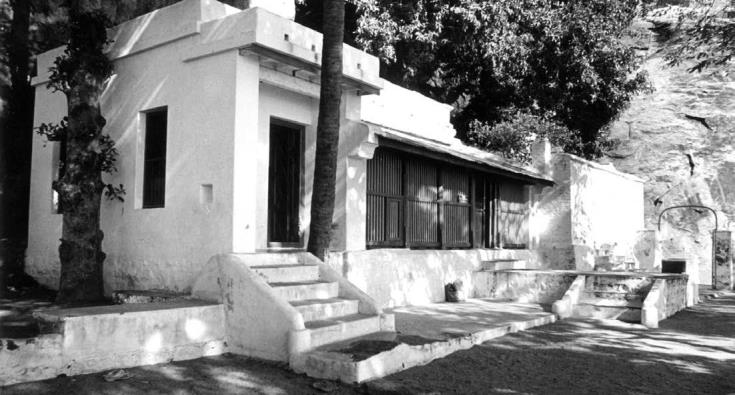
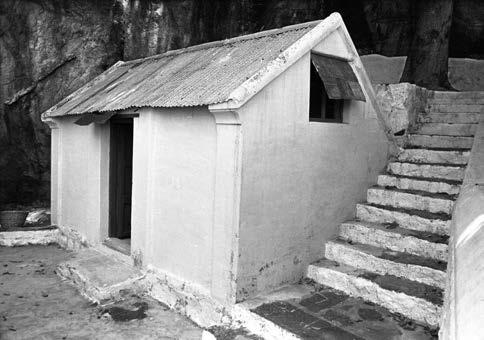
In addition to His Flame of Jnana, kitchen fires too started burning in ‘Skandashram’. The spirit of an ancient hermitage with the Maharshi at its centre began taking shape with Mother Alagammal starting to cook for Sri Bhagavan and His devotees.
“Though I remonstrated with My mother, she slowly started cooking - first a vegetable, then soup and so on. She used to wander all over the Hill, gathering something or other and saying: He likes this vegetable and that fruit. She took no notice of my remonstrations.
Once, while she was coming to the jungle at this side, her saree got caught in a thorny bush. It was only then that this path was cleared of all bushes and the like. She said she would not leave me and go anywhere else. If she went anywhere, she was afraid that she might die there. She was particular that she should die in my arms. She used to say: ‘Even if you were to throw away my dead body in these thorny bushes I would not mind, but I must end this life in your arms’ ”.
~ Sri Bhagavan
Sri Bhagavan watched and guided His Mother and weaned her from the World. She adjusted herself to the hard life of the Ashram and never thought of going elsewhere. Later on, she was joined by her younger son, who renounced the World to serve Sri Bhagavan, taking the name of ‘Niranjanananda Swami’.
In 1922, Mother's health broke down. On May 19", Bahula Navami Day, it became obvious that her end was near. After His usual morning walk, Sri Bhagavan entered Mother's room and waited on her the whole day, even taking His afternoon meal in the room. At about sunset, the evening meal was prepared and Sri Bhagavan asked the others to eat, though He Himself did not. In the evening, the devotees sat beside Mother in three separate groups, simultaneously chanting the Vedas, singing Aksharamanamalai and invoking the Name of Sri Rama.
On the day of Mother’s absorption, Sri Bhagavan sat for ten to twelve hours by her side while she was still alive, and during the last hour He sat still with His left hand on her head and His right hand over her spiritual Heart on the right side of her chest. He explained: “Innate tendencies (vasanas) and the subtle memory of past experiences leading to future possibilities became very active. Scene after scene rolled before her in the subtle consciousness, the outer senses having already gone. The soul was passing through a series of experiences, thus avoiding the need for rebirth and so effecting union with Supreme Spirit. The prana was absorbed in the Heart and the soul was at last disrobed of the subtle sheaths before it reached the Final Destination, the Supreme Peace of Liberation, from which there is no return to ignorance.”
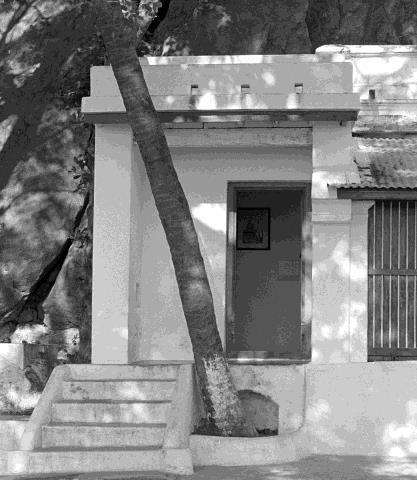
At eight o'clock that night, she was finally released from her body. Sri Bhagavan, His face radiant, immediately stood up, that too, quite cheerfully. To the astonishment of His devotees He said, “Now let us eat; come along, there is no pollution.” (Death-pollution normally requires a bath before one can eat. However, through Sri Bhagavan’s aid, His Mother had attained Complete Liberation before her death. There is no pollution on the death of a Liberated One, a Jnani. That is why Sri Bhagavan announced that no ritual bath was needed, for no pollution had been incurred.)
He also suggested that instead of sleeping, they should recite the complete Tiruvachakam of Saint Manikkavachakar. Sri Bhagavan, Arunachala Swami and Kunju Swami, each recited two verses at a time throughout the night. Never before or after was this done.
Describing Mother's absorption Sri Bhagavan recalled: “After Mother breathed her last, her body glowed with a divine resplendence; immediately after the body was bathed, that effulgence subsided. It was our intention to give her Samadhi secretly and in private, in the night that she expired. By five in the morning, we brought her remains to Palakothu (at the Foot of the Hill below its southern slopes), but even by that time, people of the town had gathered there in a vast crowd.”
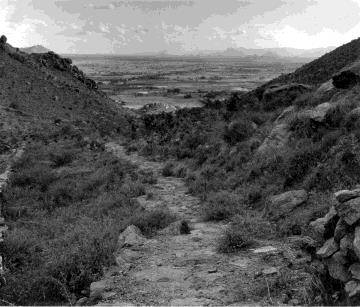
Niranjanananda Swami erected a thatched hut over the Samadhi of his Mother, which was named ”Matrubhuteswara” (God in the Form of Mother) by Ganapati Muni. The next Jayanti of Sri Bhagavan was proposed to be celebrated there, because of the lack of water at ‘Skandashram’. A week prior to his Jayanti, Sri Bhagavan came to visit the shrine as usual on His daily walk and then stayed on. Later on, He said: “It was not out of my own volition that I moved from ‘Skandashram’; something brought me here and I obeyed. It was not my decision but the Divine Will.”
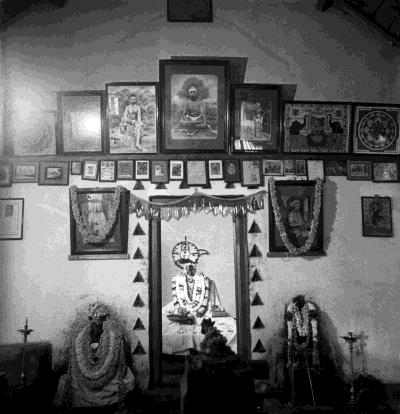
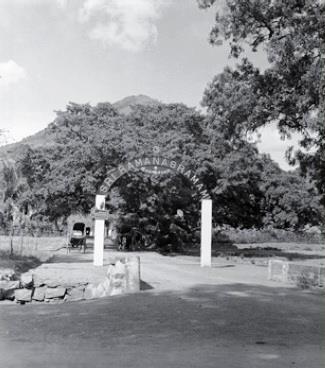
Sri Bhagavan’s Jayanti, on the 3rd of January 1923, was thus celebrated at Mother's Shrine. This was the beginning of “Sri Ramanasramam” on the southern side of Arunachala, near the roadside shrine of Dakshinamurti. Years later, in 1980, when the devotees gathered in tribute and jubilation to celebrate the Birth Centenary of Sri Bhagavan, it also fell on the 3rd of January.
From the Heart of Father Arunachala, the Son had now come to reside at his Feet. The fragrance of His Jnana would soon reach all corners of the World, attracting seekers not like flitting butterflies, but like “moths to a flame” !